
The Bathory Reversal
A History of the Vampire in Popular CultureThis thread follows Elizabeth Báthory’s movement from powerful noblewoman to alleged Blood Countess and finally to a case of political mythmaking.
increasing Bearing strength in each event
 decreasing
Bearing strength in each eventdecreasingNoble Education
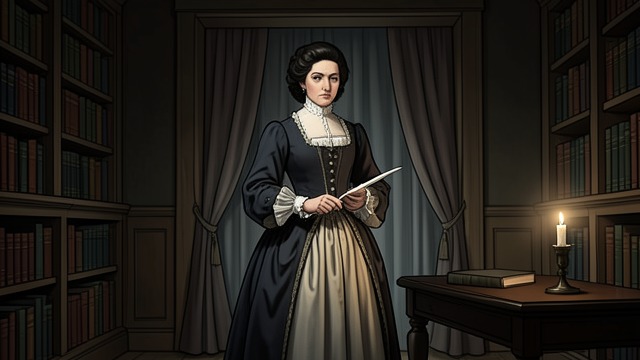
Noble Education
Unusual Authority
Elizabeth Báthory is highly educated and connected to one of the region’s richest families. Her social position gives her responsibilities and influence unusual for a woman of her era.
Gendered Suspicion
The very qualities that make her capable also make her threatening. Female authority is treated as evidence of possible moral danger.
Estate Defense

Estate Defense
Political Responsibility
While her husband fights, Báthory manages estates exposed to military danger. She intervenes in local disputes and appears to exercise practical responsibility.
Power Accumulation
Her competence increases her independence and wealth. The same power later provides enemies with reasons to isolate and destroy her.
Widow’s Power
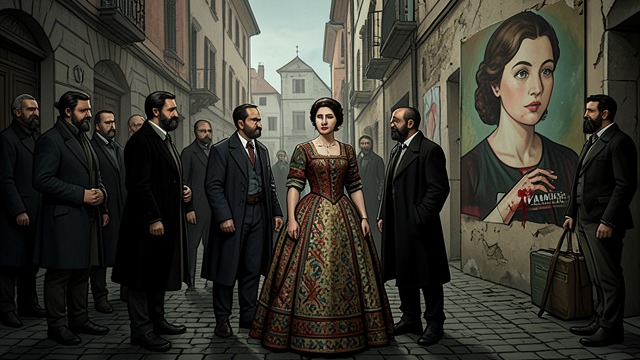
Widow’s Power
Wealth and Influence
Báthory becomes one of the region’s most powerful figures after her husband dies. Her position threatens political rivals seeking control.
Convenient Target
Rumors about violence around her estates can now be shaped into a campaign. Personal accusations become useful instruments in a larger struggle for power.
Tortured Testimony
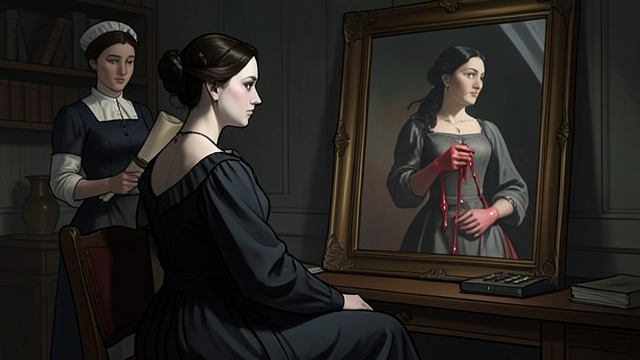
Tortured Testimony
Confessions Under Pressure
Her servants provide accusations after torture. The evidence is compromised, but it is treated as sufficient to construct a monstrous public identity.
The Blood Bath Myth
Stories of bathing in young women’s blood transform administrative violence into supernatural vanity. The legend is more memorable than the uncertain historical record.
Castle Imprisonment
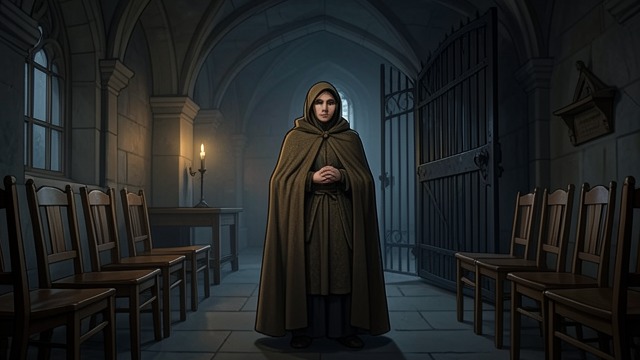
Castle Imprisonment
Denied Defense
Báthory is prevented from properly defending herself and is confined in her own castle rather than executed. The legal process reflects political convenience more than justice.
Myth Survives
Her death does not end the story. The vampire image outlives the woman, illustrating how gendered fear can become cultural permanence.
Elizabeth Báthory’s youth
the Long Turkish War
after Ferencz Nádasdy’s death
the early seventeenth century
1610 to 1614
